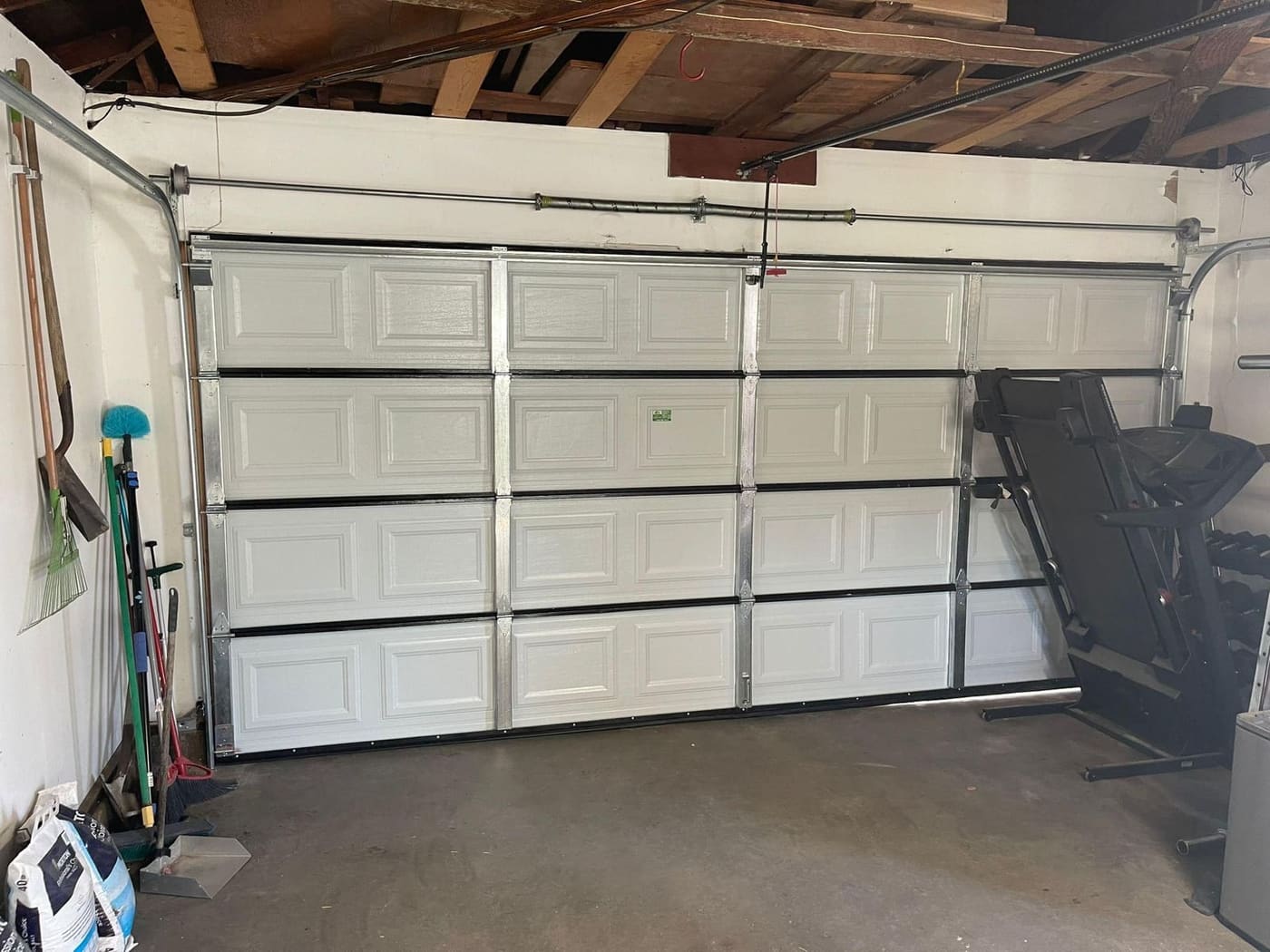
Your garage door is one of the largest moving parts of your home, and when it will not close, it leaves your house exposed and your routine disrupted. Maybe it starts down and reverses, stops halfway, or simply will not respond at all. Across the Inland Empire, where dust, summer heat, and daily use take their toll, this is one of the most common garage door problems homeowners run into.
The good news is that several of the reasons a garage door will not close are easy to identify, and a few you can safely check yourself before calling for help. This guide walks through the most common causes, the safe checks a homeowner can do, and the point where it is smarter to bring in a professional. If you would rather skip straight to a fast fix, Electra Gate Solutions serves Riverside, Corona, Moreno Valley, and the surrounding Inland Empire with 24/7 service.
Check the Photo-Eye Safety Sensors
By far the most common reason a garage door will not close is the photo-eye safety sensors. Every modern opener has two small sensors mounted near the floor on each side of the door. They shoot an invisible beam across the opening, and if anything breaks it, the door refuses to close or reverses as a safety measure.
Walk down to the sensors and look for:
- Dirt, dust, or spider webs on the lenses. Wipe them gently with a soft, dry cloth. Inland Empire dust coats them quickly.
- Obstructions breaking the beam, such as a trash can, a bike, leaves, or stored items.
- Misalignment. If a sensor has been bumped, the two eyes no longer line up. Most have small indicator lights that glow steady when aligned and blink or go dark when they are not.
Gently nudge a misaligned sensor back into position until both lights are solid. This is a reasonable DIY task. If a sensor is cracked, water-damaged, or still not communicating after cleaning, the wiring or unit likely needs replacement.
Look for Obstructions and Track Problems
A door is only as reliable as the hardware moving it. If something is physically blocking the path or the door has come off its track, it will not close properly.
Safely check for:
- Items in the doorway. Even a small object the door senses on contact can trigger the reverse.
- Debris, dirt, or pebbles built up in the bottom of the tracks.
- A door that looks crooked or hangs unevenly, which can signal an off-track door or a bent track.
Sweeping the tracks clear is fine to do yourself. Repositioning a door on its tracks, however, is heavy and awkward work that is best left to a technician with the right tools.
Inspect the Springs, Cables, and Rollers
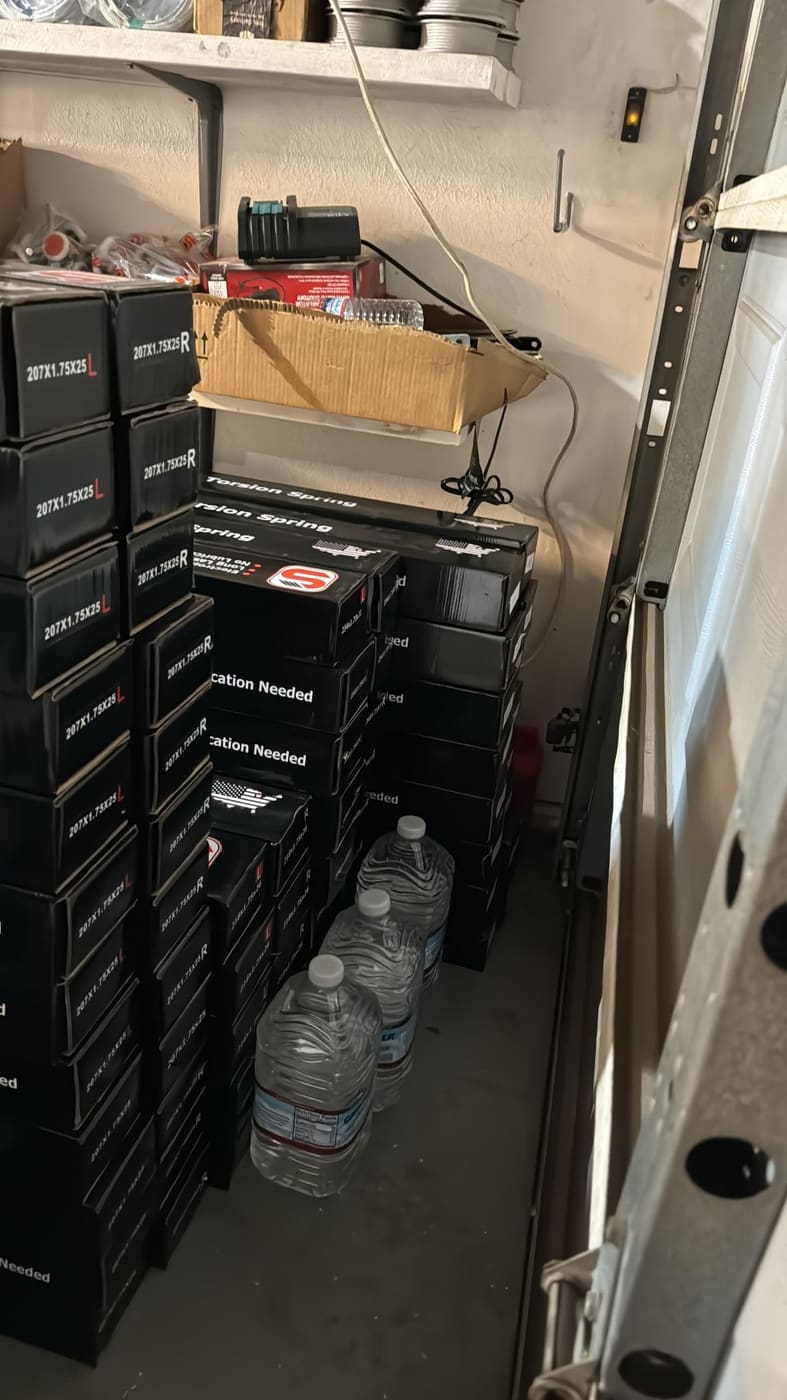
Garage door springs and cables do the heavy lifting, and they are also the parts that wear out and fail. A broken spring is a frequent reason a door will not move correctly, and it is one of the most dangerous parts to handle.
Watch for these warning signs:
- A loud bang from the garage, which often means a torsion spring has snapped.
- A visible gap in the spring coil above the door.
- A frayed, loose, or hanging cable.
- A door that feels extremely heavy or moves unevenly.
Safety note: garage door springs are under enormous tension and can cause serious injury if they release suddenly. Never try to adjust, loosen, or replace a spring or cable yourself. This is the clear point to call a pro for garage door spring repair or cable and roller replacement.
Test the Remote, Wall Button, and Travel Settings
Sometimes the door is fine and the problem is how it is being signaled, or how the opener is programmed.
- Replace the remote battery. A weak battery is the single most common remote failure.
- Try the hardwired wall button. If it closes the door but the remote does not, the issue is the remote, not the door.
- Check the lock or vacation mode. Many wall consoles have a lock button that disables remote closing. Make sure it is off.
- Look at the travel and force limits. If the opener’s close-limit setting is off, the door may stop short or reverse near the floor.
Adjusting travel limits is described in your opener’s manual, but if it does not solve the problem or you are unsure, an opener repair specialist can recalibrate it safely.
Consider Weather, Tracks Out of Alignment, and Opener Wear
If you have ruled out the simple stuff, the trouble may be wear or environmental.
- Extreme heat can cause metal components to expand and electronics in the opener to act up, while rare rain can rust hardware or warp a wooden door at the bottom edge.
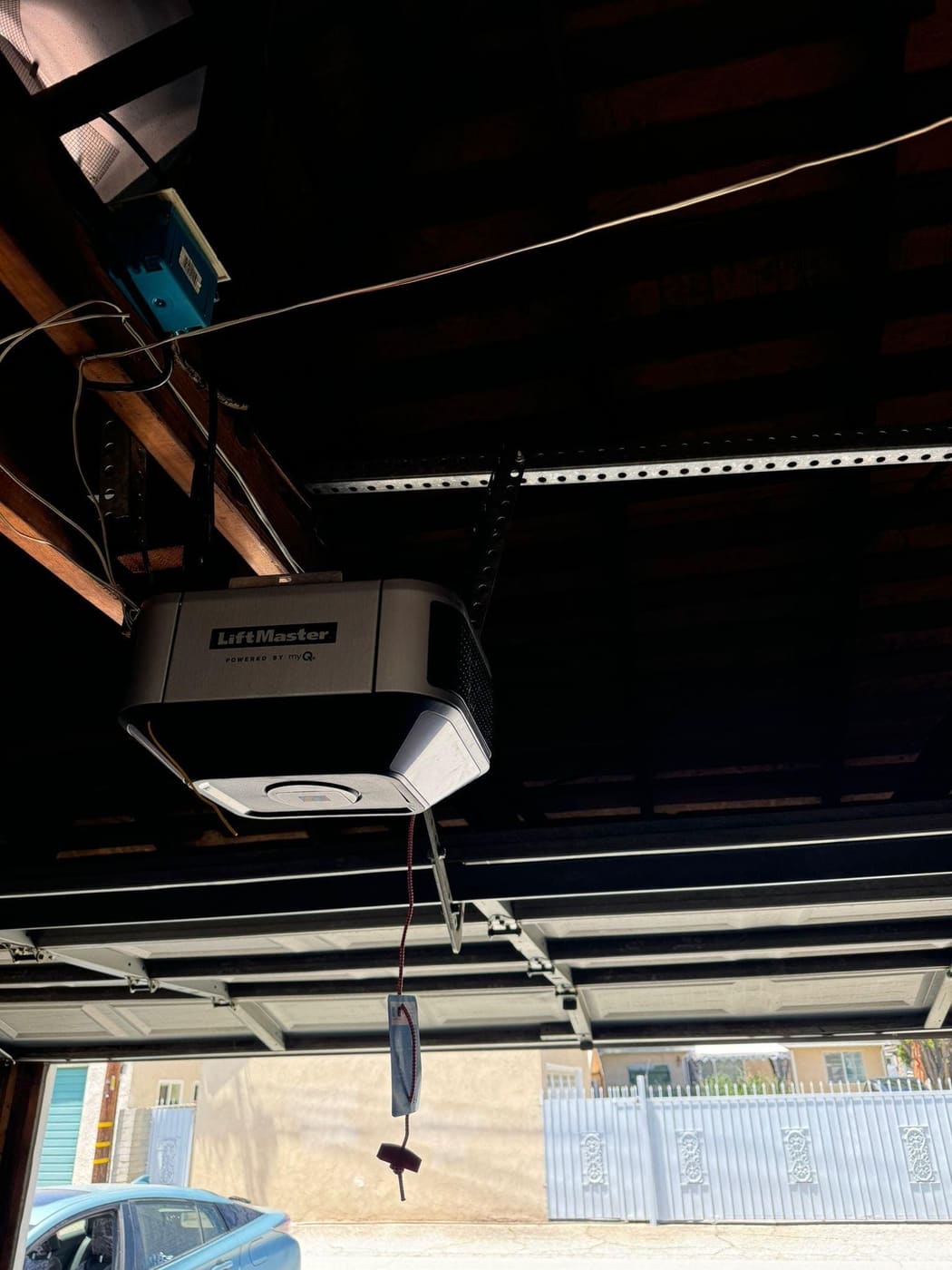
- An aging opener motor or worn drive gear can struggle to complete the close cycle.
- A door that closes erratically or makes grinding noises usually points to internal wear that needs inspection.
Diagnosing an opener motor or control board takes the right knowledge and testing. Regular garage door maintenance helps catch many of these issues before they leave you stuck.
When to Call a Professional
DIY checks are great for ruling out sensors and obstructions, but some repairs are genuinely unsafe at home. Call a pro right away if you encounter:
- A broken or loose spring or cable
- A door off its track or bent structural hardware
- A burning smell, scorch marks, or damaged wiring at the opener
- A door that closes and reverses unpredictably, which is a safety hazard
Forcing a binding door or working around spring tension can lead to serious injury and more costly damage. A trained, insured technician can pinpoint the cause quickly and get your door closing safely.
Still staring at a garage door that will not close? You do not have to troubleshoot it alone. Electra Gate Solutions is fully insured and available around the clock for fast and emergency garage door and electric gate service throughout the Inland Empire, with a 5.0 rating from 57 reviews. Call us today at (951) 903-5514 or request a free quote, and we will get your door closing again.