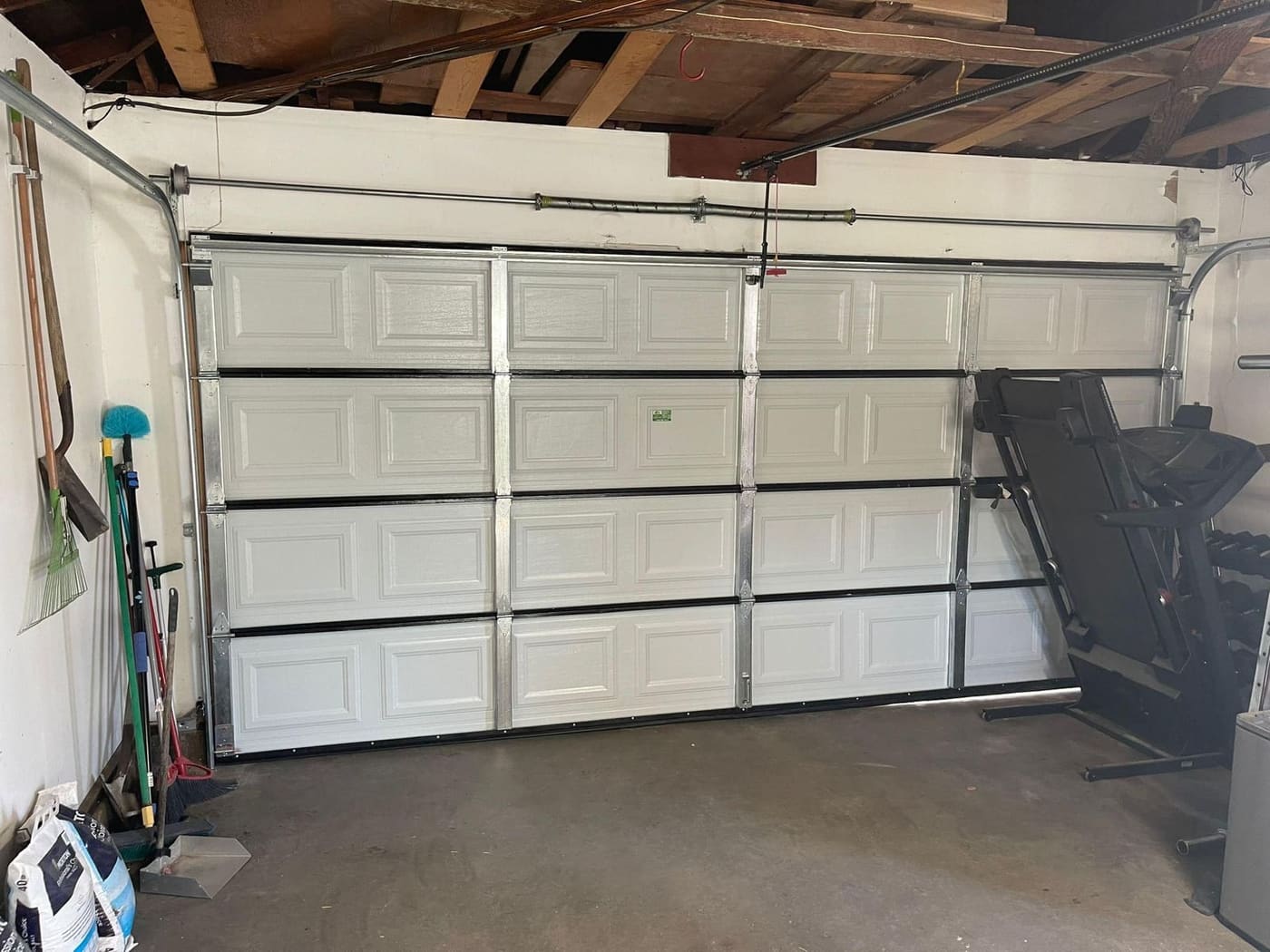
Your garage door is the largest moving object in most homes, and the heaviest. It cycles up and down thousands of times a year, often carrying the daily heat, dust, and wind of the Inland Empire. A little routine care keeps it quiet, smooth, and safe, and it helps you catch small problems before they turn into expensive emergency repairs. This checklist covers the safe tasks a homeowner can handle, plus the clear signs it is time to call a professional.
Set aside about thirty minutes twice a year, and add a quick monthly look-and-listen, and you will get years of reliable service out of your door.
Watch and Listen First
Before you touch anything, just operate the door and pay attention. Stand inside, raise and lower it once, and notice what your eyes and ears tell you.
- Does it move smoothly, or does it jerk, hesitate, or shudder?
- Do you hear new grinding, scraping, popping, or rattling sounds?
- Does the door look level as it travels, or does one side lag?
- Are there gaps, sagging panels, or visible wear?
A door that suddenly feels heavy, slams down, or only opens partway is telling you something is wrong. Make a note of anything unusual, then move through the rest of the checklist.
Tighten Hardware and Inspect Rollers
Constant motion and vibration slowly loosen the bolts and brackets that hold everything together. With the door closed, look over the roller brackets, hinges, and track mounting bolts.
- Snug up any loose nuts and bolts with a socket wrench. Do not overtighten.
- Check rollers for cracks, chips, or worn edges. Worn rollers are a common cause of noise and rough travel.
- Look at the hinges for stress cracks, especially where they bend.
If your rollers are worn out or a hinge is cracked, that is a job worth doing right. Our garage door cable and roller replacement service handles those parts safely so your door rolls quietly again.
Clean and Inspect the Tracks
The tracks guide the door, and they collect dust, dirt, and debris quickly out here. Wipe the inside of both vertical tracks with a damp cloth and clear out any buildup, pebbles, or hardened grime.
Look closely for dents, bends, or flat spots. A bent track can pull the door off line and cause it to bind. Do not try to hammer a damaged track back into shape, and do not loosen the track bolts to reposition it. If the door is rubbing, catching, or has come off track, leave the realignment to a technician. Forcing a bound door can damage panels and rollers.
Lubricate the Moving Parts
Proper lubrication is one of the most effective things you can do. Use a garage door specific lubricant or a quality silicone or lithium spray. Avoid heavy grease that traps dust.
- Apply a light coat to the hinges, rollers, springs, and the bearings.
- Wipe a thin film along the inside of the tracks if your manual recommends it.
- Lubricate the opener chain or screw drive per the maker’s instructions.
Run the door a few times to work the lubricant in. In our dry, dusty climate, doing this twice a year goes a long way. If you want this handled as part of a thorough tune-up, our garage door maintenance service covers the full system.
Test the Safety Features
This is the most important part of the checklist, so do not skip it. Modern openers have two safety systems, and both protect your family.
- Photo-eye reversal. With the door open, place a roll of paper towels or a small box on the floor in the door’s path. Close the door. It should reverse the moment the beam is broken. If it does not, clean the sensor lenses and check their alignment.
- Auto-reverse on contact. Lay a sturdy block of wood flat on the floor where the door closes. When the door touches it, the door should stop and reverse. If it keeps pushing down, the force settings need adjustment.
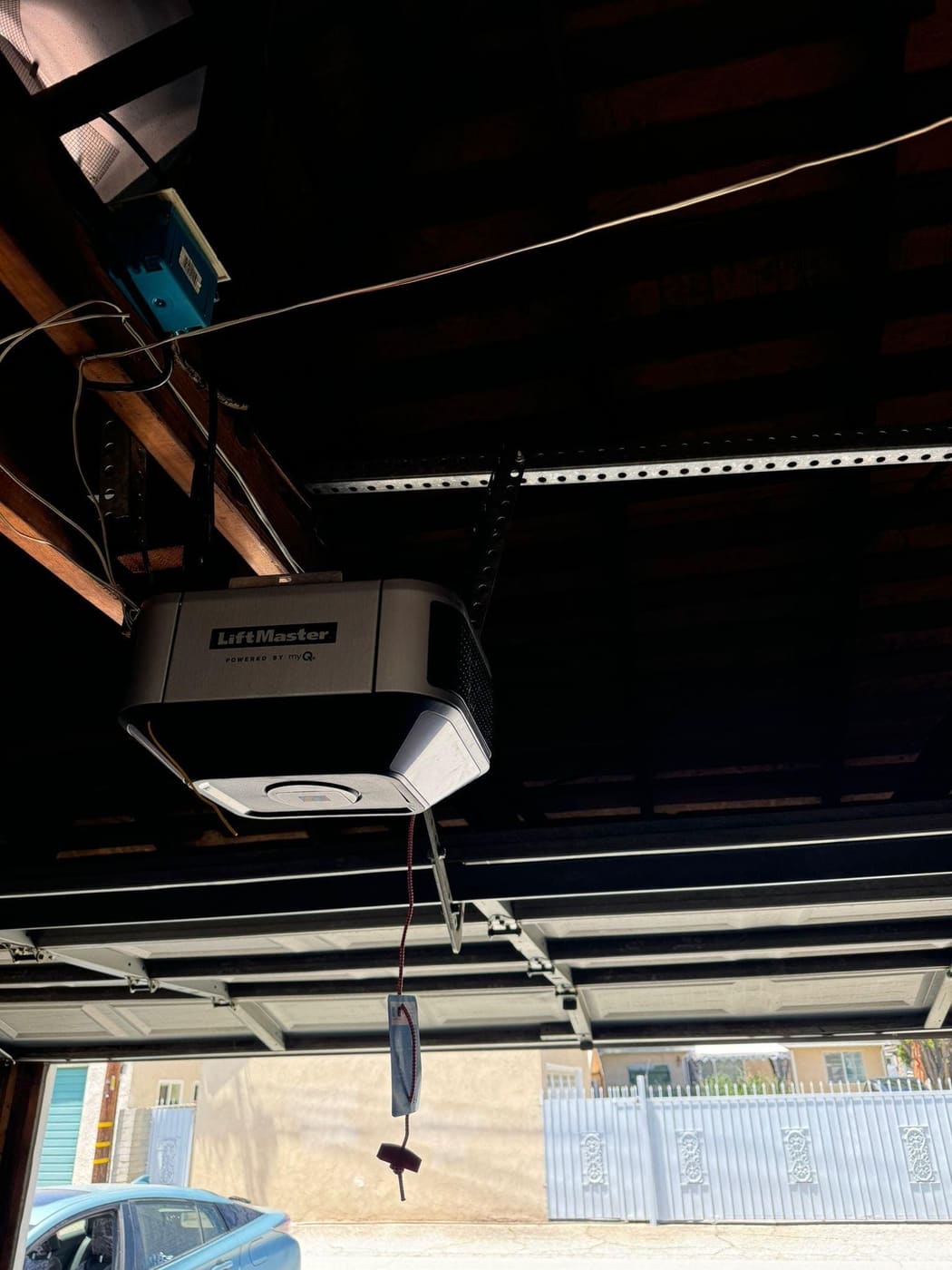
If either test fails, stop using the automatic opener and have it serviced. A door that will not reverse is a genuine hazard. Our garage door opener repair and installation team can recalibrate or replace a faulty opener.
Check the Balance and Weather Seal
A balanced door puts far less strain on the opener and the springs. Test it only with the opener disengaged.
Pull the manual release cord, then lift the door by hand to about waist height and let go. A well balanced door stays put. If it drops or flies up, the spring tension is off. Do not attempt to adjust the springs yourself. Garage door springs are under extreme tension and can cause serious injury. This is strictly a job for an insured pro, and it is exactly what our garage door spring repair service is for.
While you are there, inspect the bottom weather seal and the seals along the sides for cracks or gaps that let in heat, dust, and pests.
When to Call a Professional
DIY care handles the easy stuff. Call a technician for anything involving springs, cables, a door that is off track or won’t reverse, bent tracks, or sagging panels. Homeowners across Riverside, Corona, and Moreno Valley count on us to handle those repairs safely.
Keeping up with this checklist protects your door and your family. When you hit something beyond a wipe-down or a spray of lubricant, Electra Gate Solutions is fully insured and available 24/7 across the Inland Empire, with a 5.0 rating from 57 reviews. Call us at (951) 903-5514 or request a free quote, and we will keep your garage door running smoothly.